The construction process itself required an understanding not just of design, but of physics, spatial flow, and how people actually inhabit a space. Shipping containers are rigid, rectangular, and built for transport rather than comfort, which means turning them into something warm and inviting demands careful coordination. Will worked through the layout like a puzzle, orienting each container in relation to light, movement, privacy, and connection. Large windows were cut in strategic places to flood the interior with natural light and create sightlines that make the space feel far larger than its industrial bones might suggest. Open floor plans were built by removing walls where possible and reinforcing structure where necessary, allowing one room to flow seamlessly into the next. The result is a living environment that feels airy despite its steel construction, modern without losing character, and intimate without feeling boxed in. The artistic contrast between the clean contemporary interiors and the subtle industrial heritage of the containers gives the home a personality that cannot be replicated in traditional building materials. And then there is the rooftop terrace, a feature that elevates the design from unique to unforgettable. Sitting above the Houston skyline, it offers panoramic views that stretch for miles, turning evenings into private moments of awe and making gatherings feel like celebrations set against a living cityscape. For Will, this space became the embodiment of what he wanted his home to represent: a place where structure and imagination meet, where practicality gives way to beauty, and where everyday life can feel elevated simply by the way the space holds you.
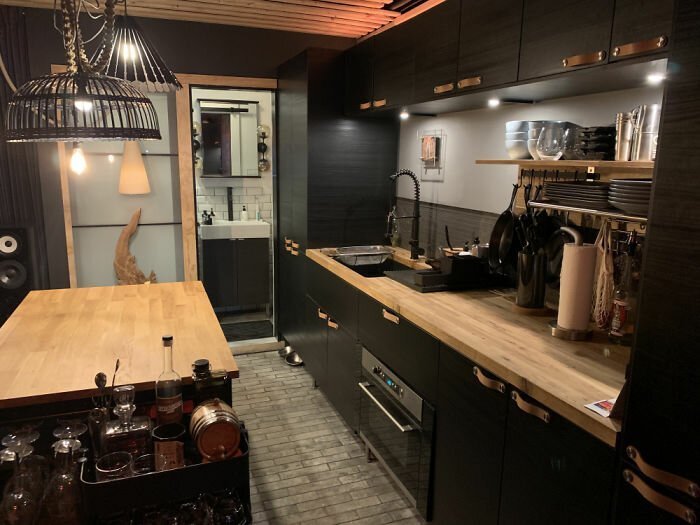
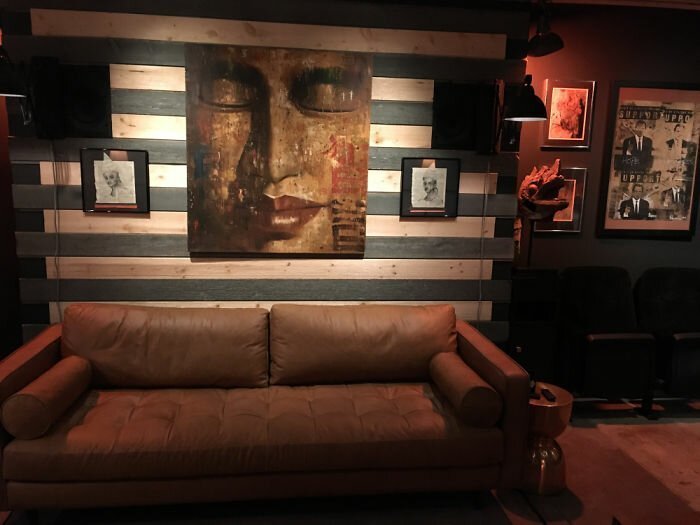
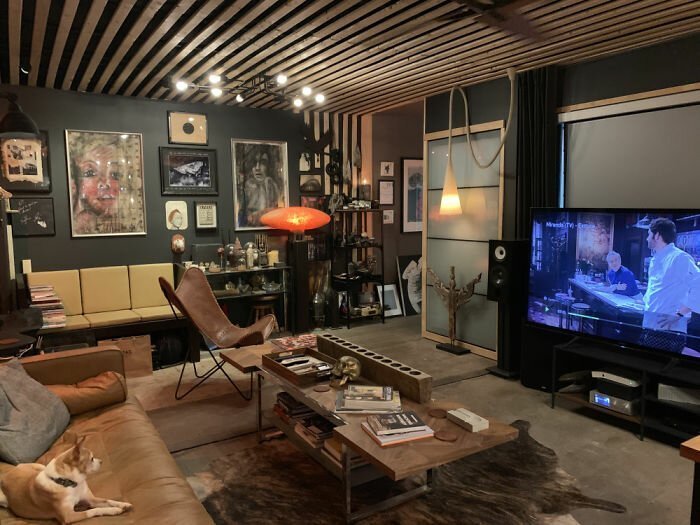
Yet it is when one steps inside that the true brilliance of Will’s design reveals itself. Without relying on ornate details or excessive decoration, he created interiors that resonate with calm sophistication and warmth. The living room is spacious not because it is large in square footage, but because it is arranged with intention: furniture is chosen to emphasize openness, colors are kept neutral to enhance light, and warm wooden accents soften the steel edges that remain beneath the surface. The atmosphere balances comfort with style, giving visitors the sensation of stepping into a space curated for living rather than display. The minimalist approach allows the architectural form itself to speak, while still offering all the warmth and familiarity one expects in a private home. The kitchen continues this philosophy of function wrapped in aesthetics. Equipped with high-end appliances, sleek cabinetry, and a generous island that doubles as a gathering place, it naturally becomes the heart of the home. Cooking here feels less like a chore and more like participation in the design itself, as every element encourages movement, conversation, and creativity. The bedrooms, by contrast, are designed as retreats, each anchored by large windows that frame slices of the outdoors like living artwork. Personal touches — carefully chosen textures, meaningful objects, subtle variations in décor — ensure that even within such a strong architectural statement, the home never feels impersonal. Bathrooms follow suit, offering spa-like calm through modern fixtures, clean lines, and soothing materials, turning daily routines into moments of mindfulness and renewal.
Beyond aesthetics and ingenuity, Will’s project speaks to a growing recognition that the future of housing cannot ignore sustainability. By repurposing shipping containers, he dramatically reduced the amount of waste associated with new construction while giving structure and purpose to materials that might otherwise sit unused or be scrapped. This approach embraces a form of circular design, where the lifecycle of materials is extended and their environmental impact significantly reduced. Inside the home, this ethic continues through energy-efficient appliances, careful insulation, and the use of materials chosen not just for beauty but for durability and ecological responsibility. In an era when climate considerations increasingly shape how we build and live, Will’s home stands as a practical demonstration that sustainable choice does not require sacrificing style or comfort. Instead, it reveals that environmental responsibility can coexist with, and even enhance, architectural creativity. The steel walls that once carried cargo across oceans now cradle a family’s daily life; the industrial precision once meant for global trade now becomes the backdrop for quiet mornings, shared meals, and starry evenings on a rooftop terrace. In this way, the home is not just a personal triumph but a model for how adaptive reuse can play a meaningful role in addressing broader environmental challenges.
What makes Will’s achievement resonate so deeply is not merely the novelty of using shipping containers, but the clarity of purpose driving every decision. Too often, unconventional building methods are treated as gimmicks or forms of rebellion against tradition. In this case, however, the method serves the meaning. It allows a homeowner to participate directly in the creation of a space that feels authentically his own, to shape not just walls and windows but atmosphere and identity. The home proves that creativity is not limited to professionals, that vision does not require institutional validation, and that the willingness to persist can transform what seems impractical into something inspiring and entirely attainable. Visitors leave not just impressed by the clever use of space or the beauty of design, but awakened to possibilities they may never have considered. They see how industrial materials can be softened through thoughtful design, how compact forms can expand through openness, and how dreams can be honored when someone refuses to abandon them even when experts fail to deliver what imagination demands. In a world saturated with mass-produced housing and predictable architectural patterns, Will’s home stands as a reminder that individuality is still possible, and that innovation often emerges not from grand budgets or massive teams, but from one person deciding to take responsibility for the shape of their own dreams.
Today, as the eleven-container residence sits proudly on McGowan Street in Houston, it has become more than a home. It is a conversation starter, an inspiration, and a quiet challenge to anyone who has ever been told that their idea is “too different,” “too difficult,” or “not worth the trouble.” It shows that design can be democratic, that sustainability can be beautiful, and that perseverance can create something truly remarkable. The rooftop terrace glitters beneath the sunset, the open interior fills with warmth and light, and each space carries the imprint of a homeowner who refused to let practicality silence creativity. For Will, the project is the culmination of decades of imagining and refining, failing and rebuilding, dreaming and doing. For those who encounter it, it offers something even more precious: permission to imagine differently, to build courageously, and to trust that the dreams we nurture long enough may one day take shape in steel, light, and space. And when they do, when the vision finally becomes reality and the interior leaves you momentarily speechless, it serves as proof that sometimes the boldest homes are built not from bricks or beams, but from belief.