The human face contains dozens of muscles, thousands of tiny blood vessels, and countless nerve endings. It is also one of the first places where swelling, discoloration, or structural changes become visible. When the body is under stress or when an illness begins to develop, the face often provides some of the earliest clues. People may notice puffiness, unusual redness, unusual paleness, drooping on one side, or changes in skin texture or color. Even subtle differences — such as darkening under the eyes or an unexpected rash — may indicate that something deeper is happening.
One of the most sudden and alarming facial changes is asymmetry, especially when it appears on one side of the face. Facial drooping or difficulty moving facial muscles can be a sign of a neurological issue. While sometimes caused by temporary nerve irritation, sudden asymmetry can also be a sign of something far more serious, such as a stroke. In serious cases, people may also struggle to smile normally, raise an eyebrow, or speak clearly. Though these symptoms can have multiple causes, their sudden onset always requires immediate medical evaluation. The faster the response, the better the chances of preventing long-term complications.
Changes in the color of the face can also reveal important information about internal health. For instance, persistent redness on the cheeks may sometimes be caused by rosacea, a common but chronic skin condition. However, redness across the nose and cheeks can occasionally reflect autoimmune activity as well. Paleness or an unusually washed-out complexion can suggest anemia or poor circulation. When the blood does not carry enough oxygen or nutrients, the skin may lose its usual color. On the other hand, a yellowish tint to the skin or the whites of the eyes can point to issues involving the liver. Because the face is so visible, noticing these changes early can prompt a timely checkup, allowing underlying conditions to be addressed before they worsen.
Swelling is another facial change that should not be ignored. Puffiness around the eyes is common after lack of sleep, crying, or dehydration, but when swelling becomes persistent or appears suddenly, it can indicate deeper concerns. For example, kidney problems can cause fluid to accumulate in the tissues of the face, particularly around the eyes. Allergic reactions can also cause dramatic swelling, sometimes developing quickly and becoming dangerous if the airway is affected. Even thyroid imbalances may contribute to changes in swelling, puffiness, or facial fullness. Paying attention to when the swelling occurs, how quickly it develops, and whether it is accompanied by other symptoms can be crucial for identifying the cause.
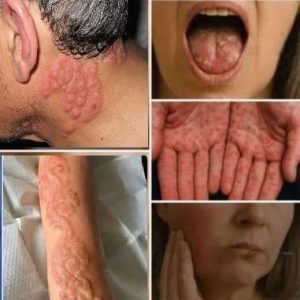
The skin itself is another major indicator of health. Acne, dryness, discoloration, or dark patches can develop for numerous reasons, ranging from hormonal changes to systemic inflammation. Persistent dryness or flaking may signal nutritional deficiencies or autoimmune conditions. Severe acne in adulthood can reflect hormonal imbalance, stress overload, or internal inflammation. Dark patches — especially around the eyes or on the forehead — can sometimes be triggered by hormonal shifts, sun exposure, or metabolic changes. Meanwhile, sudden rashes, hives, or unusual patterns on the skin may reflect allergic reactions, infections, or immune system activity.
The eyes — often called “the windows to the soul” — can also be windows into hidden health issues. Redness in the whites of the eyes can indicate allergies, infection, or irritation, but persistent redness without an obvious cause may suggest dryness, inflammation, or even high blood pressure. Yellowing of the eyes is a classic sign of bilirubin buildup, often associated with liver or gallbladder concerns. Dark circles under the eyes are usually harmless and often related to fatigue or genetics, but when they appear suddenly or become unusually pronounced, they can sometimes reflect dehydration, anemia, or chronic sinus issues.
Changes in facial hair or the lack of it can also be meaningful. Unexpected hair loss along the eyebrows or thinning on certain parts of the face may point to hormonal imbalances or autoimmune issues. Excessive facial hair growth in women can indicate shifts in hormone production. While most changes in hair growth are not emergencies, they can provide early clues to internal changes that deserve attention.
Another area that reveals internal health is the mouth and lips. Dry, cracked lips can simply reflect dehydration, but chronic dryness or deep cracking at the corners of the mouth may be caused by vitamin deficiencies, fungal infections, or immune issues. Swelling of the lips can be caused by allergies, reactions to foods or medications, or inflammatory conditions. A bluish tint to the lips can indicate low oxygen levels, which is considered a serious medical concern. Meanwhile, sores that appear inside or around the mouth may point to viral infections, nutritional issues, or immune system reactions.
The jaw and facial bones can also show signs of underlying issues. For example, chronic jaw tension can be linked to stress, teeth grinding, or sleep disorders. In some cases, swelling or pain in the jaw area can reflect dental infections that may spread if untreated. More rarely, persistent or unusual changes in bone structure may signal hormonal changes, metabolic conditions, or long-term inflammation.
Even facial expressions can provide insight into health. People experiencing chronic pain, fatigue, or illness may unconsciously hold their faces differently, reflecting discomfort or strain. While this is more subtle than physical changes like swelling or discoloration, it can still provide important clues, especially when combined with other symptoms.
The key to recognizing facial changes as health indicators lies in paying attention to what feels “normal” for your own face. Every person has unique features, and small natural variations are entirely normal. However, changes that are sudden, persistent, or accompanied by discomfort should not be ignored. The face can tell a powerful story — one that may reveal early warning signs before more serious symptoms develop.
Early detection is one of the most valuable tools in protecting long-term health. By noticing facial changes and seeking medical advice when something doesn’t seem right, individuals can respond to potential problems before they escalate. Whether the concern turns out to be minor or more significant, awareness gives people the chance to act, intervene, and protect their overall well-being.
In the end, the face is not just a reflection of emotion or age — it is also a reflection of health. Understanding the signs it presents can help ensure that hidden problems are recognized early, treated promptly, and prevented from becoming more dangerous or life-threatening.