What Happens to the Body After Gallbladder Removal? 3 Diseases That May Follow – Avoid Surgery If Possible

The gallbladder, a small organ beneath the liver, plays a vital role in digestion by storing bile.

When we eat, it releases bile into the duodenum to help break down fats. Bile also has antibacterial properties, supporting overall digestive health. However, when the gallbladder develops problems, symptoms like abdominal pain, nausea, and vomiting can arise, making it essential to protect this organ.

Should the Gallbladder Be Removed If Gallstones Are Found?

Gallbladder removal depends on the severity of symptoms. If gallstones are small and cause no discomfort, doctors recommend monitoring. However, severe symptoms or complications like cholecystitis may require surgery.

How the Body Changes After Gallbladder Removal

  1. Reduced Fat Digestion – Bile release becomes continuous, making fat digestion harder.
  2. Indigestion – May cause bloating and belching.
  3. Gut Bacterial Imbalance – Changes in bile flow can lead to digestive issues.
  4. Bile Reflux – Excess bile can irritate the stomach lining.
  5. Dietary Adjustments – Lowering fat intake and increasing fiber helps.
  6. Sleep Disturbances – Some experience anxiety and poor sleep post-surgery.

Three Diseases That May Follow

  1. Reflux Gastritis – Weaker digestion may cause bile reflux and bloating.
  2. Colon Cancer – Increased bile acids can irritate the colon, raising cancer risk.
  3. Common Bile Duct Stones – Bile stagnation can cause stone formation.

Recommended Diet After Gallbladder Removal

  • Easily Digestible Foods – Soft foods like egg custard ease digestion.
  • High-Quality Proteins – Eggs, fish, and milk aid recovery.
  • Whole Grains – Natural nuts and seeds boost immunity.


LD

Related Posts

After Nearly 200 Years of Iconic Retail History, America’s Oldest Department Store Announces the Permanent Closure of All Remaining Locations, Marking the End of a Beloved National Institution That Shaped Generations of Shoppers Across the Country

For many, Lord & Taylor was more than just a place to shop; it was a symbol of tradition, elegance, and a certain kind of shopping experience…

Changes in the face that develop suddenly or gradually can sometimes reveal hidden, potentially serious health issues, signaling underlying conditions that require urgent attention, medical evaluation, or early intervention to prevent complications, protect overall well-being, and ensure that symptoms are recognized before they progress into more dangerous or life-threatening problems.

The human face contains dozens of muscles, thousands of tiny blood vessels, and countless nerve endings. It is also one of the first places where swelling, discoloration,…

Why do pimples form

Once a pore becomes clogged, it can trap bacteria inside. The most common bacteria involved is Propionibacterium acnes (P. acnes), which normally lives on the skin without…

These are the signs that he is cr… See more

Oral cancer, a type of head-and-neck cancer, remains one of the most pressing public health challenges in India today. Alarming statistics reveal that around 77,000 new cases…

If you find your neck is bigger than usual, this is a sign you cannot ignore.

What Is It? JVD is identified during a physical exam when the jugular vein appears swollen. Continuous distention may signal life-threatening cardiovascular conditions. Common Causes Several heart…

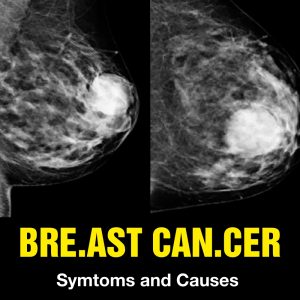
Brea.st Can.cer: Symptoms and Causes

Breast cancer is a disease that begins when abnormal cells grow in breast tissue. After skin cancer, it is the most common cancer diagnosed in women in…

Leave a Reply

Your email address will not be published. Required fields are marked *